We are here to help; from Industry Insights & Trends to Research backed Use Cases to Technology Review & Showcase to Best Practices & Guides
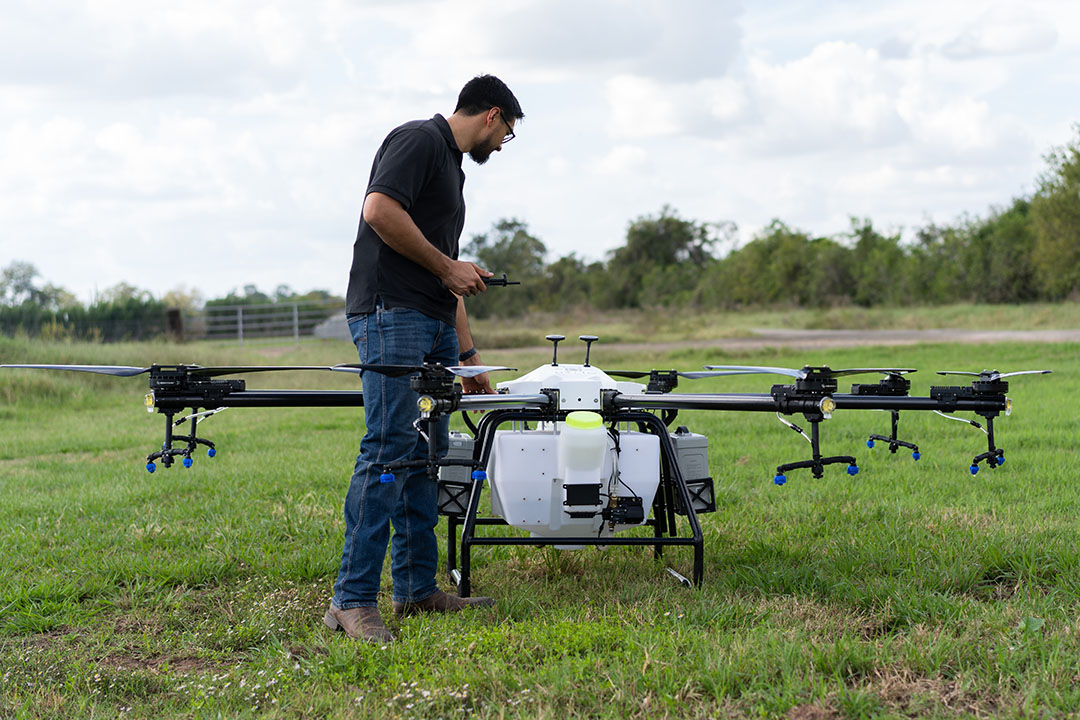
Evidence based battery management for agricultural drones emphasizes rigorous inspection, temperature-controlled charging, thermal care during operations, disciplined discharge and storage, and systematic rotation to ensure reliability and longevity.
A 4-tier drone maintenance schedule (daily, 50hr, 200hr, annual) prevents 80% of failures in agricultural sprayers, extending MTBF from 180 to 510 hours, per USDA and university studies.
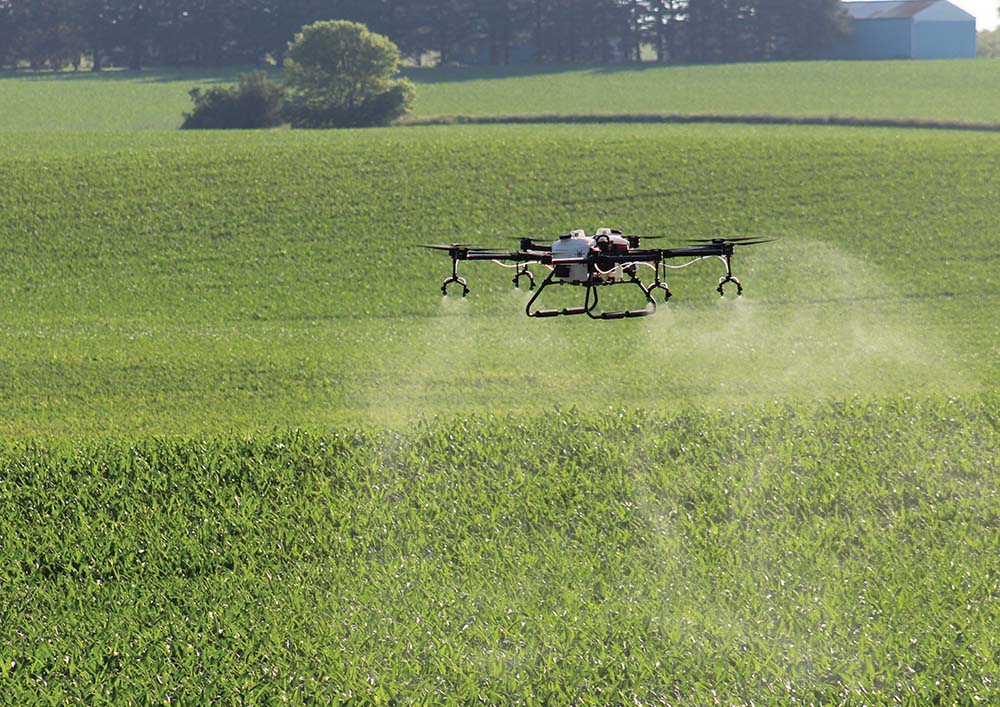
Guide to selecting farm drones for precision agriculture: match specs like payload and sensors to tasks, ensure autonomy, durability, compliance, and ROI for efficiency and yields.
Chinese drones pose data security, supply chain, and regulatory risks in agriculture and security. U.S./EU drones via Adaptive Robotics ensure data control, reliability, and compliance amid 2025 bans.
Regenerative Organic Certification (ROC) advances sustainable farming via soil health, animal welfare, and social fairness tiers. Drones streamline compliance with precise monitoring of cover, rotations, grazing, and hazards.
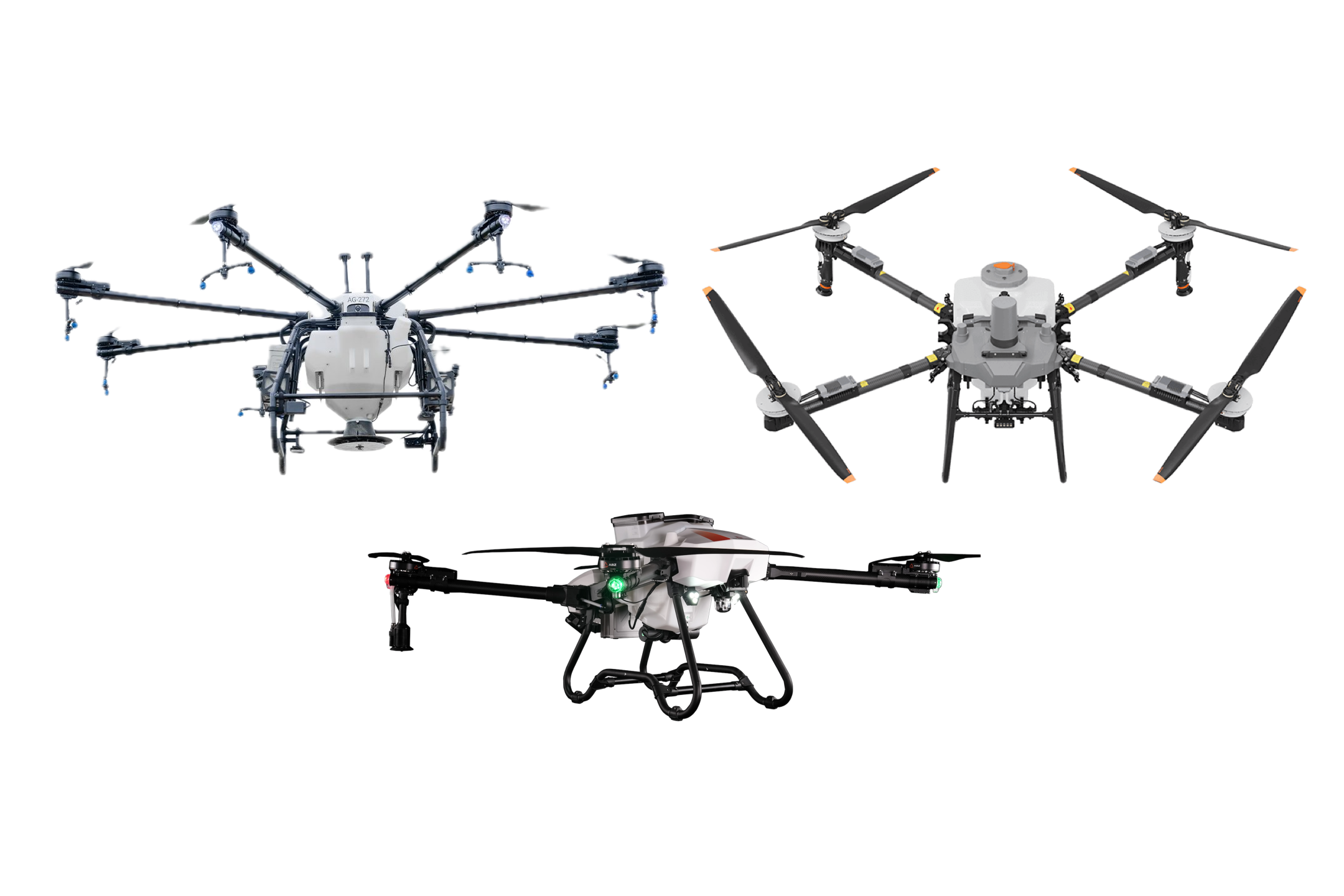
ABZ L30 V2: Europe's first 30L CDA drone excels in variable terrain like hills and orchards with LiDAR precision, efficient eco-spraying, and easy operation for diversified farms.
The Hylio AG-272, a tough American-made drone, boosts Midwest farming with reliable autonomy, durable design, and user-friendly tech, perfect for large-scale row crop operations.
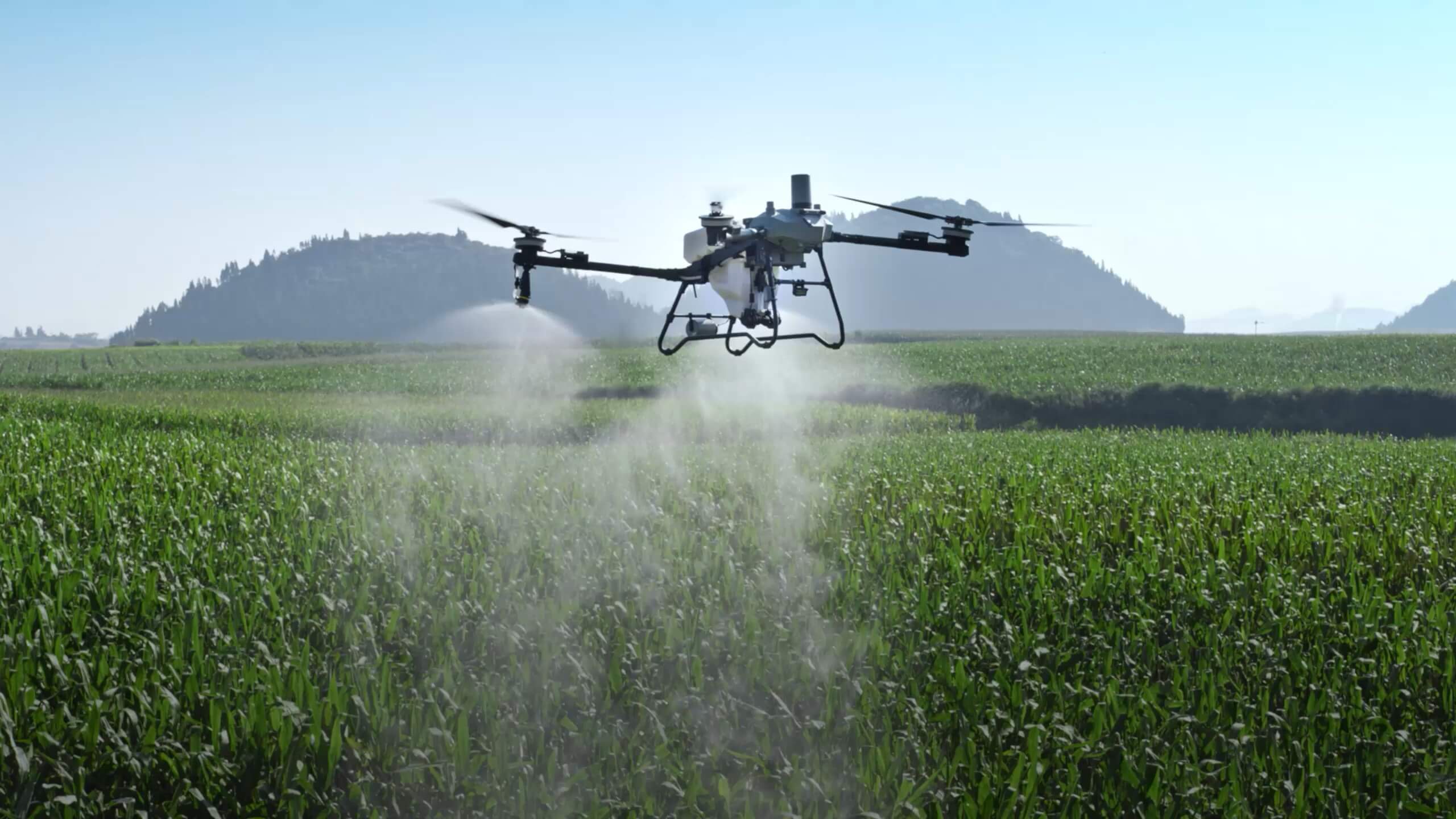
DJI Agras T70P is a high-efficiency agricultural drone for mid-to-large farms, offering fast coverage, AI precision, durability in tough conditions, and seamless integration with farm tech.
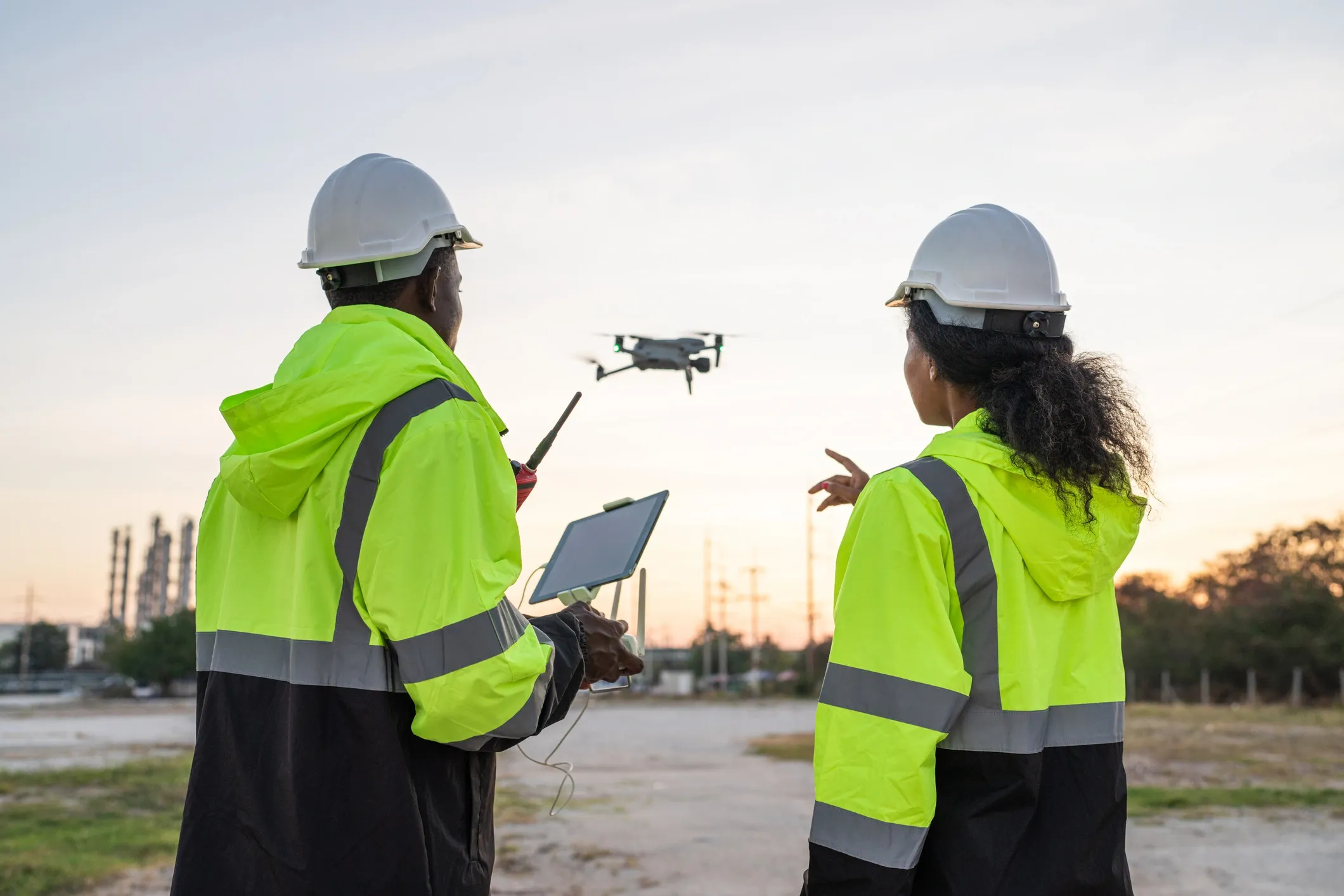
Drones detect crop water stress 3-5 days early via thermal/multispectral imaging and CWSI, enabling precise irrigation, 10-25% water savings, and 5-15% yield gains in real-world trials.