
The Regenerative Organic Certified (ROC) framework stands out as a beacon for holistic farming, building on organic principles to address soil degradation, animal welfare, and social equity. In this article, I'll explain how ROC works, drawing directly from its Version 4.1 Framework (effective June 27, 2023), and explore how drones—those agile aerial workhorses—can streamline the qualification process. By leveraging drones for precise monitoring and data collection, farmers can more efficiently meet ROC's rigorous standards, ultimately fostering healthier ecosystems and resilient farms.
Regenerative Organic Certified® (ROC), as outlined in Version 4.1 (effective June 27, 2023), builds on USDA Organic or international equivalent standards to promote holistic farming through three pillars: Soil Health & Land Management, Animal Welfare, and Farmer & Worker Fairness (Section I). It aims to enhance soil organic matter, sequester carbon, improve animal welfare, and ensure economic fairness.
ROC Requirements:
ROC offers three tiered levels—Bronze, Silver, and Gold—to allow for gradual adoption (Section III: Scope & Structure). Each level requires a percentage of the operation's land or revenue to meet the standards:
Managed by the Regenerative Organic Alliance (ROA), ROC is a living document, updated to reflect best practices while aligning with NOP regulations. It applies to farming, livestock, transportation, slaughter, and processing facilities of any size (Section III).
Drones, equipped with multispectral cameras, LiDAR, and AI analytics, are revolutionizing regenerative farming by providing real-time, high-resolution data. They don't replace on-the-ground work but enhance efficiency, especially for large-scale monitoring required in ROC. Farmers have integrated drones to cut verification time by half while improving accuracy. Below are some drone applications to specific ROC sections.
ROC requires year-round living or mulch cover on 25-100% of land, depending on level, with CT for bare soil. Drones with NDVI (Normalized Difference Vegetation Index) sensors can scan vast areas to quantify cover percentage, detecting erosion-prone spots. For Gold-level farms needing 75-100% cover with nitrogen-fixing crops, drones provide timestamped imagery (as required in Practice 2.8) to document compliance, reducing manual surveys.
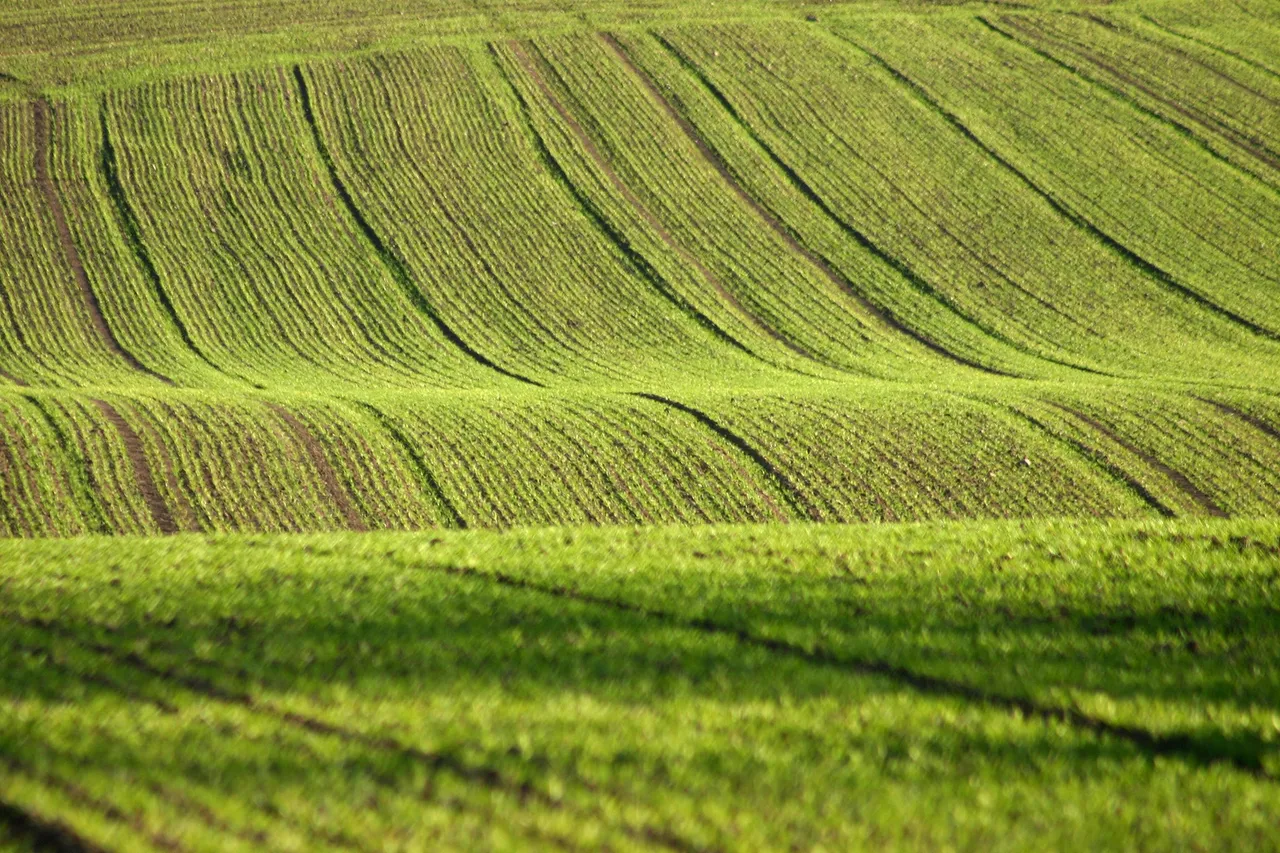
Farms must rotate 3-7 crops and minimize tillage, documentinreductions over time. Drones track rotation patterns via time-series imagery, ensuring no-till adoption at Gold level. They also assess soil compaction indirectly through plant health metrics, justifying tillage exemptions.
ROC mandates lab tests every three years (6.1) and annual in-field tests (6.2) for indicators like organic matter. Drones complement this with hyper-spectral imagingto estimate soil moisture, nutrient levels, and carbon sequestration non-invasively (see more). For Gold-level GHG modeling via tools like COMET-Farm (6.3), drone data on biomass and cover feeds into these models, supporting sequestration claims.
Drones monitor agroforestry, pollinator habitats, or riparian restoration by mapping biodiversity hotspots, helping farms meet the required 3-5+ practices per level (see more).
Drones track animal movements in paddocks, ensuring intensive grazing without overgrazing sensitive areas (e.g., wetlands). This verifies continuous pasture access, a Required practice, and prevents CAFO classification (1.4)(see more).
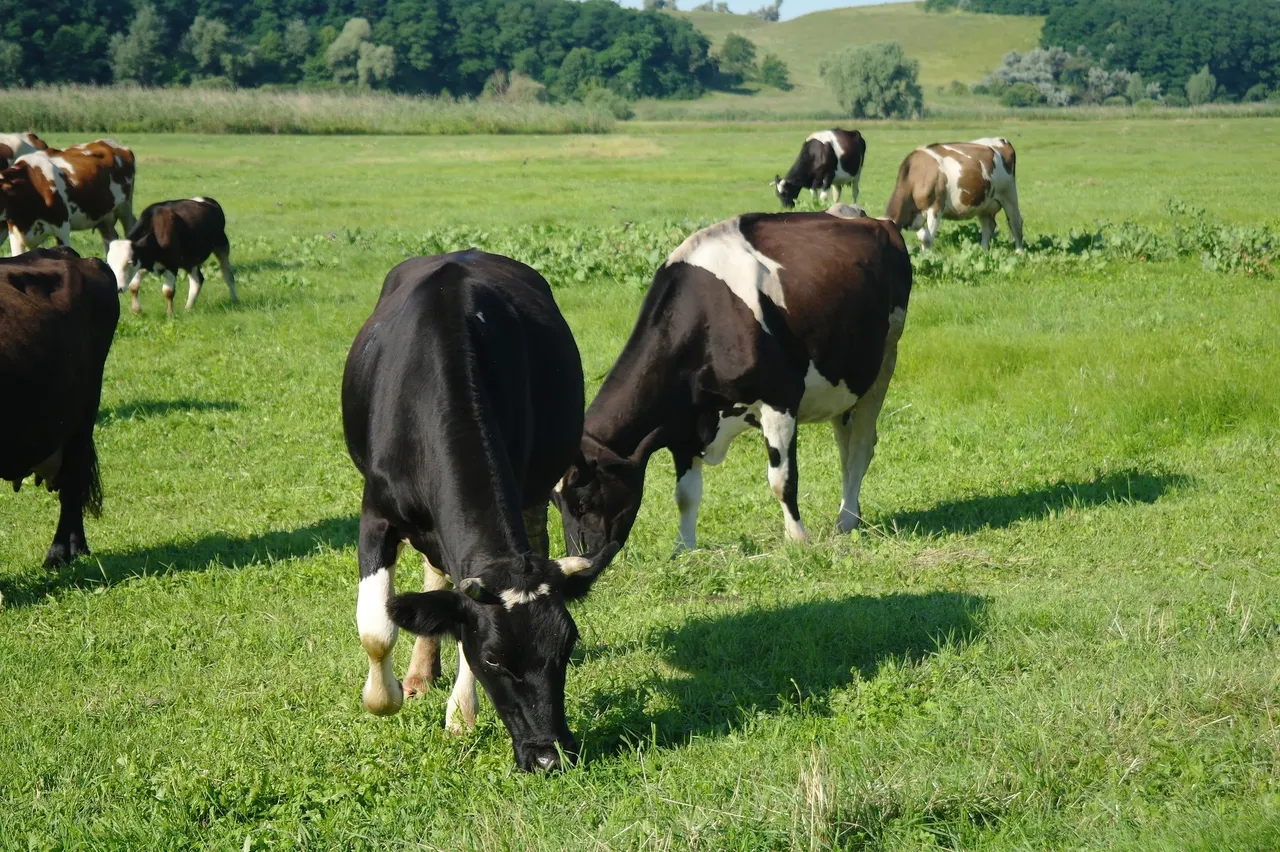
Aerial views confirm shelter adequacy during extreme weather, supporting the Five Freedoms.
By mapping hazards like uneven terrain or chemical storage, drones help minimize threats, ensuring access to shade and water—critical for worker welfare.
ROC requires transparency in audits (Section IV). Drones generate detailed records for ROSPs, easing compliance with living wage commitments (8.2) by optimizing farm efficiency and profitability (see more).
The Regenerative Organic Certified framework detailed in Version 4.(effective June 27, 2023), promotes holistic farming through Soil Health, Animal Welfare, and Farmer & Worker Fairness, requiring USDA Organic certification as a baseline and offering regenerative agriculture certification through Bronze, Silver, and Gold levels for progressive adoption. Drones significantly benefit farmers pursuing ROC by streamlining compliance with precise, real-time data collection. Equipped with multispectral cameras and AI, drones monitor vegetative cover (Section V, 2.1), track crop rotations (2.2), and assess soil health (6.1–6.3), ensuring adherence to soil management standards. They verify pasture access and rotational grazing (Section VI, 2.4, 3.3), preventing CAFO classification, and map workplace hazards (Section VII, 10.1) to support worker safety and fairness. By reducing manual inspections and providing documented evidence for audits, drones enhance efficiency, lower costs, and help farmers achieve ROC certification, fostering sustainable and equitable agriculture.
